When difficult seasons arrive, our questions are rarely theoretical. They rise from genuine ache in the quiet hours of life:
“Did I do something wrong?”
“Is God punishing me?”
“Has God forgotten me?”
“What possible purpose could there be in this?”
Nearly every believer eventually faces disorienting trials. We cannot assume every painful event is directly caused by God. Scripture calls us to distinguish between:
- What God causes directly
- What God permits in a fallen world
- What God redeems and works through for His higher purposes
A fallen world contains suffering, sin, and injustice that are not expressions of God’s direct will. God takes no pleasure in pain. Yet Scripture affirms that God remains sovereign: He is never blindsided, and He works through circumstances He did not morally approve or directly cause. Nor does Scripture promise every trial will be resolved in this life. Recognizing these truths anchors our souls in His enduring character.
1. Difficult Seasons Are Part of Life in a Fallen World
Following Christ does not exempt believers from suffering. Jesus was candid about following Him. On the eve of His crucifixion, He told His disciples:
“I have told you these things, so that in me you may have peace. In this world you will have trouble. But take heart! I have overcome the world.” John 16:33 (NIV)
Jesus did not say believers might face trouble; He said we will. In a fallen world, trials touch every life; hardship does not mean your faith has failed. While it is wise to discern the season God has you in, trials are an unavoidable reality of following Jesus.
2. Not Every Difficult Season Means You Have Done Something Wrong
When adversity strikes, our instinct is often self-blame: “What did I do wrong? Is God punishing me?”
While sinful choices can bring painful consequences, Scripture rejects the idea that suffering automatically signals personal punishment or deficient faith.
Consider Job. God described Job as blameless and upright (Job 1:1). Yet Job lost his family, wealth, and health. When his friends insisted his suffering proved hidden sin, God rebuked them for speaking falsely (Job 42:7). Job’s trial was not retribution.
Jesus addressed this same mistake in John 9:1–3 (NIV):
“As he went along, he saw a man blind from birth. His disciples asked him, ‘Rabbi, who sinned, this man or his parents, that he was born blind?’ ‘Neither this man nor his parents sinned,’ said Jesus, ‘but this happened so that the works of God might be displayed in him.’” John 9:1–3 (NIV)
Jesus shattered the assumption linking personal adversity directly to personal guilt. In a broken world, trials are often the common lot of human fallenness where God’s work has yet to be revealed.
3. God Can Use Trials to Form Something in Us
While God does not delight in distress, He uses adversity to produce spiritual maturity. James writes:
“Consider it pure joy, my brothers and sisters, whenever you face trials of many kinds, because you know that the testing of your faith produces perseverance. Let perseverance finish its work so that you may be mature and complete, not lacking anything.” James 1:2–4 (NIV)
Scripture does not instruct us to enjoy pain itself; grief is real. Rather, the joy James describes comes from knowing what God produces through perseverance.
Adversity dismantles self-reliance, compelling us to depend upon God with humility. Through endurance, God forms spiritual stamina, humility, steadfast character, and compassion for others who suffer (2 Corinthians 1:3–4).
4. God's Purpose Is Larger Than Our Comfort
One of Scripture’s most treasured promises is Romans 8:28 (NIV):
“And we know that in all things God works for the good of those who love him, who have been called according to his purpose.” Romans 8:28 (NIV)
Yet verse 28 cannot be separated from verse 29:
“For those God foreknew he also predestined to be conformed to the image of his Son...” Romans 8:29 (NIV)
Verse 29 defines the “good” and “purpose” of verse 28. God's primary purpose is not simply to make every season comfortable. He is forming us to become more like Christ. When we examine God's purpose for your life, we discover that God prioritizes holiness above temporary ease, forming Christ's likeness in us.
5. Joseph: What Others Intended for Harm, God Redeemed
The life of Joseph illustrates God’s power to redeem hardship. Betrayed by his brothers, sold into slavery, falsely accused, and imprisoned, Joseph endured prolonged injustice. Yet decades later, Joseph declared to his brothers:
“You intended to harm me, but God intended it for good to accomplish what is now being done, the saving of many lives.” Genesis 50:20 (NIV)
Joseph did not call his brothers’ actions good; human evil was real. Yet God took what others intended for harm and redeemed it for salvation.
Scripture does not promise every believer will experience Joseph’s earthly restoration. Many faithful saints died without seeing temporal rescue (Hebrews 11:36–39). Yet Joseph demonstrates that when God's timing doesn't match our clock, God is never idle. He possesses the sovereign power to redeem what human hands broke.
6. Jesus Shows Us That Suffering and God's Purpose Are Not Opposites
The definitive theological answer to suffering is revealed at the cross of Jesus Christ.
The cross demonstrates that suffering and God’s purpose are not opposites. If suffering signaled divine abandonment, the crucifixion would be ultimate defeat. Instead, Jesus—the sinless Son of God—experienced betrayal, unjust condemnation, mockery, scourging, and execution.
Yet through this injustice, God accomplished eternal redemption. God did not bypass suffering; He redeemed it through the cross and resurrection.
In Christ, God did not remain distant. Jesus entered our broken world and bore our griefs. When you walk through a dark valley, you follow a Savior who understands (Hebrews 4:15). Suffering does not mean God has abandoned His purpose; it is often where His redemption is most active.
7. What Should I Do During a Difficult Season?
When walking through a difficult season, practical biblical wisdom offers steady footing:
8. You May Not Understand the Season While You Are Living Through It
Faith does not require an explanation for every trial. Deuteronomy 29:29 reminds us that “the secret things belong to the LORD our God.” We see only a fraction of God’s overarching tapestry.
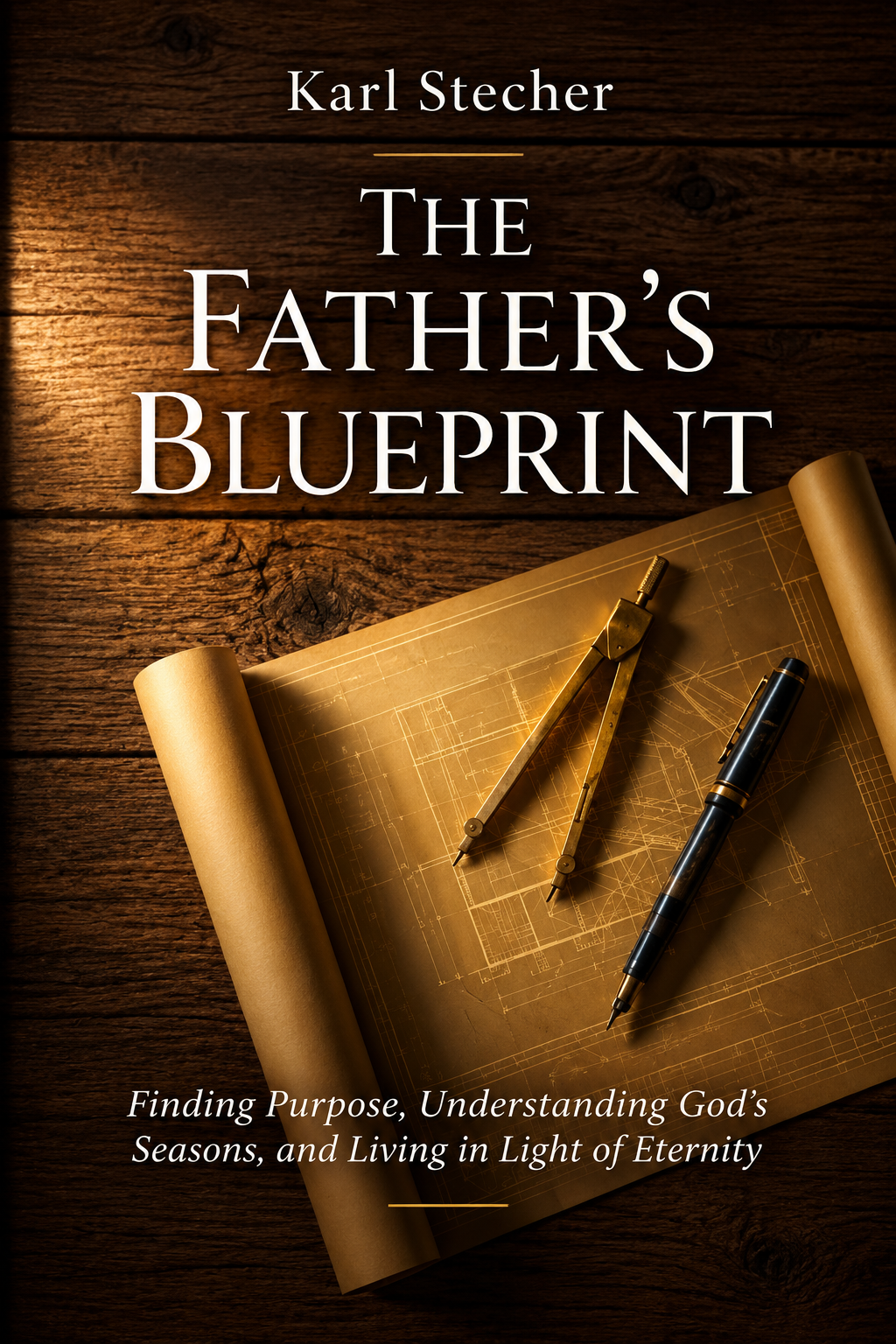
We must avoid suggesting every tragedy will make complete sense during our earthly lifetime. Walking by faith means trusting God’s character when His path is unclear. In The Father’s Blueprint, author Karl M. Stecher explores how navigating unfamiliar spiritual terrain requires releasing our demand for immediate answers and resting in the Father's unchanging covenant love.
9. Final Hope
Our ultimate hope as believers is not that every difficult season will become comfortable, or that every earthly wound will be healed here. Our hope is Christ Himself.
Difficult seasons are heavy, but they do not possess the final word. God’s ultimate answer to suffering is resurrection, restoration, and eternal life with Him.
Revelation 21:4 (NIV) points us to this glorious culmination:
“‘He will wipe every tear from their eyes. There will be no more death’ or mourning or crying or pain, for the old order of things has passed away.” Revelation 21:4 (NIV)
Until that day, we stand secure in the faithful God who walks with us through every valley.